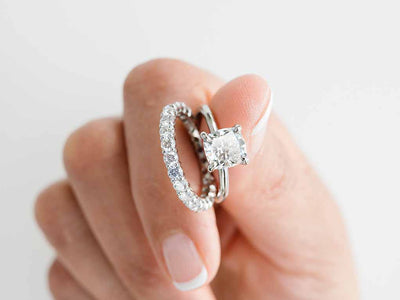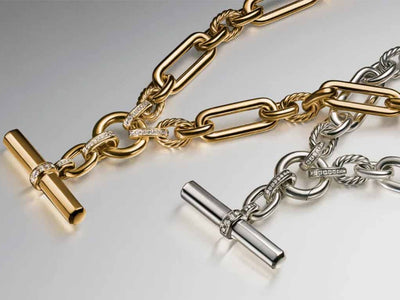

Fine jewelry is designed to be worn, admired, and cherished for years. But even the most beautiful bracelet, ring, necklace, or pair of earrings can begin to look dull after exposure to skin oils, lotions, perfume, dust, and other substances.
Thankfully, you can keep your jewelry looking its best by establishing and sticking to a jewelry cleaning routine. With the right materials and knowledge, you can clean most jewelry at home. The key is knowing what your jewelry is made from and choosing a cleaning method that won't damage the metal, gemstones, plating, or other delicate materials.

Why Is It Important to Clean Your Jewelry?
Regular cleaning does more than keep your jewelry sparkling and beautiful. Dirt and oils can build up in small spaces around gemstones, prongs, clasps, and other areas, making a piece appear dull and cloudy and potentially making it harder to see signs of wear or damage.
Keeping your jewelry clean is as much about protection as it is beauty. Cleaning silver, gold, and other precious metals also helps preserve their integrity. Sterling silver, for example, needs to be regularly polished, as it naturally tarnishes over time when exposed to air and moisture.
Frequent and appropriate jewelry care also helps you notice minor problems before they become serious. A loose stone, worn prong, damaged clasp, or thinning band is easier to address when you inspect your pieces regularly.
How Often Should You Clean Your Jewelry?

How often you should clean jewelry depends on how frequently you wear it and what type of jewelry it is. Pieces worn every day, such as engagement rings, wedding bands, your favorite necklaces, and bracelets, can benefit from regular at-home cleaning to remove sweat, oils, and dust. Jewelry worn less frequently can generally be cleaned whenever it begins to look dull or before a special occasion.
In addition to at-home care, periodic inspections and cleanings by a professional jeweler are important, especially for fine jewelry. It’s recommended to have your fine jewelry inspected every 6 months or so – and many jewelers offer professional cleaning and inspection services to make it quick and easy.
Can You Clean Jewelry at Home?
Yes, you can clean many pieces of jewelry quickly and easily at home with a few simple supplies. For most jewelry without delicate gemstones or special treatments, warm water, a small amount of mild dish soap, and a soft brush can remove everyday buildup.
Before you clean your jewelry at home, however, it’s important to know what it’s made of. Pearls, porous gemstones, treated stones, antique jewelry, and jewelry with plated finishes may require a professional touch and could be damaged with certain at-home cleaning practices. If you're unsure about a piece's construction or treatment, it's best to consult a professional jeweler before cleaning it.

What Tools Do You Need to Clean Fine Jewelry at Home?
- Two small bowls, one for cleaning and one for rinsing
- Warm (not hot) water
- Mild dish soap
- A very soft-bristled toothbrush or clean, soft brush
- Soft, lint-free microfiber or jewelry cloths
- Clean, soft towels
- A separate bowl of clean water for rinsing
Are Different Jewelry Metals Cleaned Differently?
While gentle soap-and-water cleaning is enough for many types of jewelry, each precious metal has unique properties that affect how you should care for it. When it comes to cleaning yellow gold, white gold, sterling silver, platinum, and gold-plated jewelry, there are different techniques.
The finish is important, too. Cleaning white gold, with its rhodium plating, a delicate antique finish, gemstones, or other treatments, may require additional precautions.
Popular Types of Jewelry Metals:
- Yellow gold
- White gold
- Sterling silver
- Platinum
- Gold-plated
[product_card border="#BDB39B" image="https://www.finks.com/cdn/shop/files/NS1076888_2_1024x1024@2x.png?v=1790261056" alt_text="Roberto Coin Cobra Single Row Alternating Diamond Bangle" eyebrow="Roberto Coin" product_name="Cobra Single Row Alternating Diamond Bangle" cta_url="/products/roberto-coin-cobra-single-row-alternating-diamond-bangle" target="_blank" cta_text="Shop Now"]
What’s the Best Way to Clean Yellow Gold Jewelry?
To clean yellow gold jewelry at home, start with a bowl of warm water and a few drops of mild dish soap. Place the jewelry in the bowl for a few minutes, then use a soft-bristled brush to gently scrub away dirt. Pay special attention to areas where oils and debris tend to collect, such as beneath a gemstone or around the back of a setting.
After you clean the yellow gold jewelry, rinse thoroughly in a bowl of clean water and pat it dry with a soft, lint-free cloth. Avoid rinsing your jewelry directly under a faucet to prevent pieces from accidentally going down the drain. Don’t use abrasive cleaners or aggressive scrubbing, since gold is relatively soft and can scratch easily.
Pro tip: Most jewelers also recommend avoiding ultrasonic cleaners for gold, silver, and other gemstones, as they can be too harsh for many pieces.
What’s the Best Way to Clean White Gold Jewelry?

Like yellow gold, you can clean white gold jewelry using a mix of warm water and mild dish soap. After soaking the piece in a small bowl of soapy water, use a soft brush to carefully remove buildup. Rinse your jewelry in a bowl of clean water and dry it with a soft cloth.
One important thing to consider when cleaning white gold jewelry is whether the piece is solid white gold. Many white gold pieces have a rhodium coating that gives them their bright, reflective appearance. The coating can wear away over time from wear and overzealous cleaning and may eventually need professional replating. Avoid abrasive cleaners or aggressive scrubbing, which can accelerate the rate at which the coating wears away.
How Can You Tell if Your White Gold Jewelry Needs New Rhodium Plating?
If you clean white gold bracelets, rings, or necklaces and they still look yellow or duller than when they were new, cleaning may not be enough to restore their original beauty. Consulting a jeweler is a smart step, so they can determine whether the rhodium finish needs to be reapplied or if a professional cleaning would be sufficient.
What’s the Best Way to Clean Sterling Silver Jewelry?
Over time, sterling silver naturally develops tarnish, so knowing how to clean sterling silver jewelry is especially useful for pieces you wear regularly. Lightly tarnished pieces can benefit from gentle at-home cleaning. Start with a bowl of warm water and mild soap, then gently clean the jewelry's surface with a soft cloth or brush. Rinse off the soap and dry the piece completely before wearing it or storing it.
To clean sterling silver bracelets, rings, and necklaces with heavier tarnish, use a silver polishing cloth or a cleaning product designed specifically for sterling silver. Be especially careful with jewelry that contains gemstones, plating, or delicate finishes, as some polishing products can be too abrasive and cause permanent damage. When not wearing it, store sterling silver jewelry in a dry place, such as an anti-tarnish bag or box.

What’s the Best Way to Clean Platinum Jewelry?
Platinum is one of the most durable metals and doesn't tarnish the way sterling silver does or need to be refinished like white gold. Still, you should clean platinum jewelry to remove oils and everyday debris that may accumulate.
To clean platinum rings, necklaces, and bracelets at home, use warm water, mild dish soap, and a soft brush, then rinse and dry thoroughly. After you clean platinum rings or other pieces, if you notice significant scratches or want to restore a highly polished finish, professional polishing is the better choice. Platinum polishing involves specialized techniques designed to preserve the metal and its original proportions.
What’s the Best Way to Clean Gold-Plated Jewelry?
Cleaning gold-plated jewelry requires a particularly gentle touch because its gold-colored surface is a thin layer over another metal. Excessive rubbing, abrasive cleaners, or frequent exposure to harsh chemicals can wear away the plating and reveal the metal beneath. Because plating naturally wears away with use, professional replating may eventually be necessary to restore your jewelry to its original look.
When you clean gold-plated jewelry, instead of scrubbing, gently wipe gold-plated pieces with a soft, damp cloth. If you need a more thorough cleaning, use a small amount of mild soap diluted in warm water and a soft brush to clean very gently. Avoid polishing cloths designed for solid precious metals unless the manufacturer specifically recommends them for your piece.

Does Diamond Jewelry Require Different Cleaning Methods?
Diamonds themselves are among the hardest gemstones on the Mohs scale, but that doesn't mean your diamond jewelry can be scrubbed without a second thought. The setting, metal, other gemstones, and any treatments can all affect which method is best to clean diamond jewelry.
For many diamond engagement rings, earrings, necklaces, and bracelets, using warm water, mild dish soap, and a soft brush can safely remove everyday oils and dirt. Use a soft brush to gently clean diamond jewelry around the stone and setting, then rinse in a bowl of clean water and dry with a soft cloth.
Ultrasonic machines are another option, but use them with care, as they aren't appropriate for every gemstone or jewelry design. Certain treated or fragile gemstones can be damaged by ultrasonic cleaning, and vibrations can sometimes loosen stones.
What’s the Safest Way to Clean Pearl Jewelry?

Cleaning pearl jewelry requires a more delicate touch than most precious gemstones. With a Mohs hardness of approximately 2.5, pearls can be scratched relatively easily and can be damaged by chemicals, heat, and acids.
For at-home care, gently wipe pearls with a soft, clean cloth after wearing them. When a more thorough cleaning is needed, use warm, soapy water and a very soft brush, even more gently than you would to clean gold, silver, or other jewelry.
Never place pearl jewelry in an ultrasonic or steam cleaner, and keep pearl jewelry away from perfume, hairspray, cosmetics, and household cleaning products. If you're cleaning a pearl necklace or bracelet, allow the strand to dry completely before wearing it again, as a wet string can stretch and attract dirt.
What Types of Cleaning Products Should You Avoid When Cleaning Jewelry?
- Windex and other ammonia-based glass cleaners
- Vinegar and other acidic products
- Hydrogen peroxide
- Chlorine bleach
- Abrasive metal polishes
- Toothpaste or other gritty cleaning products
- Strong household cleaners
Is Vintage Jewelry Cleaned Differently?
Cleaning vintage and antique jewelry requires extra care and consideration. Older pieces may have delicate settings, worn metal, fragile gemstones, specialized finishes, or previous repairs that aren't immediately visible.
Rather than using a general cleaning solution on a valuable or delicate vintage piece, have a professional jeweler evaluate it first. Vintage jewelry should be handled delicately, and it’s important to remember that cleaning methods safe for modern jewelry may not be appropriate for older pieces.
[product_card border="#BDB39B" image="https://www.finks.com/cdn/shop/files/NS311521_b62819b0-6131-4302-bd33-e4c28c482a27_1512x.png?v=1775662183" alt_text="Sabel Collection Mixed Metals Fancy Yellow Diamond Drop Earrings with Diamond Halo" eyebrow="Sabel Collection" product_name="Mixed Metals Fancy Yellow Diamond Drop Earrings" cta_url="/products/mixed-metals-fancy-yellow-diamond-drop-earrings-with-diamond-halo" target="_blank" cta_text="Shop Now"]
Why Should You Take Jewelry to Get a Professional Cleaning?
At-home cleaning is excellent for routine maintenance, but professional cleaning offers something a home routine can't: expert inspection. A jeweler can closely inspect prongs, settings, clasps, stones, and the metal's condition while removing dirt from areas that are hard to reach safely at home.
Professional cleaning is especially important for valuable, antique, and frequently worn pieces or jewelry designs with many gemstones. It can also be the right choice when you're unsure what a piece is made from or whether a gemstone has been treated.
Signs it’s Time to Make an Appointment for Professional Jewelry Cleaning:
- Your jewelry remains dull after gentle cleaning.
- A gemstone appears loose or moves in its setting.
- Prongs look worn, bent, or damaged.
- Your ring or bracelet has significant scratches.
- White gold has lost its bright, rhodium-plated appearance.
- Sterling silver has severe or persistent tarnish.
- A clasp or closure isn't working properly.
- You're caring for an antique or vintage piece.
- A gemstone has become cloudy or changed appearance.
- You aren't sure how to clean a specific piece.
How to Pick a Jewelry Store for Your Cleaning Appointment

When searching for a jeweler you can trust for professional cleaning, look for a business with professionals experienced in both precious metals and gemstones. A reputable jeweler will explain how they'll clean your jewelry and identify any potential concerns before starting.
For extra valuable or sentimental pieces, look for a jeweler with additional gemstone training and a strong reputation. A professional should inspect your jewelry for signs of wear and help you understand how to protect your pieces in between appointments – not just worry about making your jewelry shine.
With proper care, gentle at-home cleaning, and regular professional inspections, your favorite jewelry can remain beautiful for years. Whether you're looking to clean sterling silver bracelets, renew the look of a gold ring, restore the sparkle of a diamond necklace, or take care of your favorite vintage piece, the safest approach is always the same: know your jewelry, clean it gently, and trust a professional when the piece requires specialized care.