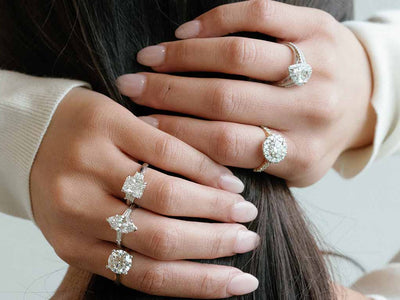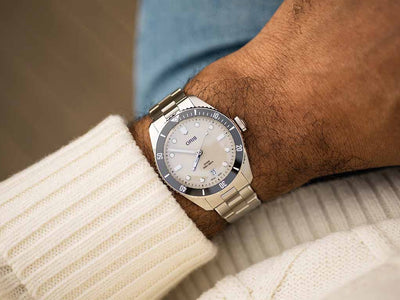

When it comes to shopping for luxury jewelry, two of the most popular metal choices are white gold and platinum. Although they may appear similar at first glance, they are incredibly different when it comes to origin, character, and performance.
Whether you're looking for a white gold jewelry piece to wear every day or investing in a future family heirloom with platinum jewelry, understanding how these precious metals compare in appearance, durability, value, and care is essential to finding the perfect option for you.
Appearance of White Gold vs. Platinum
At first glance, distinguishing white gold vs. platinum based on appearance alone can be difficult, thanks to their similar silvery-white brilliance.

What Sets Apart White Gold vs. Platinum?
- The way the metals age
- The tone of their color
Platinum jewelry is naturally white and retains its color throughout its lifetime. The subtle, cool sheen has a refined, understated elegance that appeals to purists and modern minimalists alike. Over time, platinum jewelry develops a soft patina, a matte finish that many jewelers consider a hallmark of its vintage charm and character.
White gold jewelry, on the other hand, gets its coloring from a coating of rhodium, which gives white gold a slightly brighter, more mirror-like look than platinum. However, with regular wear, the rhodium plating can wear off, revealing a slightly warmer tone underneath. Although white gold jewelry can be re-plated to restore its original brilliance, it adds a layer of upkeep to maintaining the look of your jewelry.
What is White Gold Jewelry Made Out Of?
Though they may look alike, the composition of white gold vs. platinum is significant. This impacts not only their appearance over time but also how they're used to create the fine jewelry pieces we know and love.
The name white gold is somewhat misleading because it is not naturally white. Instead, it's made by blending pure yellow gold with white metals, including nickel, palladium, and silver, to create a lighter alloy. To achieve its signature bright-white finish, white gold jewelry is finished with a layer of rhodium, a member of the platinum family.
While the plating process enhances the beauty of white gold jewelry, it also means that the composition of the metal is typically between 14K and 18K gold, which contains a lower percentage of pure gold than you might expect.

What is Platinum Jewelry Made From?
Unlike white gold, platinum is one of the purest metals used in fine jewelry, often with 95% platinum in finished pieces. The remaining 5% is usually made up of other platinum group metals such as iridium, ruthenium, or palladium, which are added to enhance strength without compromising the quality of the metal.
This high purity is part of what differentiates white gold from platinum. Platinum jewelry is naturally white, requiring no rhodium plating to achieve its color or maintain its look over time. Its uncoated brilliance and cool undertone offer a timeless, luxurious aesthetic, making it especially popular for engagement rings, wedding bands, and heirloom pieces.
What are the Top Practical Advantages of Platinum?
- Hypoallergenic properties: Because of its purity, platinum jewelry is an excellent option for those with sensitive skin or metal allergies, especially compared to white gold, which may contain nickel.
- Exceptional density and strength: Platinum is one of the densest precious metals, which gives it a luxurious weight and superior durability. When platinum jewelry is scratched, the metal is merely displaced rather than lost, meaning your jewelry doesn't thin over time the way gold alloys might.
- Long-lasting beauty: Platinum's purity allows it to develop a natural patina over time. However, it can always be polished back to its original shine if preferred.
Which is Stronger: White Gold vs. Platinum?
When investing in fine jewelry, especially pieces meant for daily wear, like engagement rings or wedding bands, durability is an important factor to consider. While both platinum and white gold jewelry are strong and suitable for everyday use, they behave very differently under pressure, wear, and time.

Platinum is one of the densest luxury metals used in jewelry, which makes it incredibly durable. It doesn't wear away easily and, as mentioned above, when it does scratch, the metal is displaced rather than lost. For those looking for heirloom-quality pieces that can be passed down through generations, platinum offers lasting strength and integrity.
White gold jewelry, on the other hand, is made from gold alloyed with harder white metals like nickel or palladium, which adds strength compared to yellow gold. However, white gold is still a softer metal than platinum overall and more prone to surface wear over time. While scratches are generally superficial and can be polished out, repeated polishing may gradually thin the piece.
Weight and Comfort: White Gold vs. Platinum
While durability and appearance often take center stage, the way a piece of jewelry feels when you wear it can make a significant difference, especially for everyday wear. Some things to consider when choosing between white gold and platinum jewelry are:
What is the Heaviness and Density of White Gold and Platinum?
One of the most noticeable physical differences when comparing white gold vs. platinum is weight. Platinum jewelry is significantly denser, about 60% heavier than white gold. This weight is often associated with luxury and permanence, offering a physical reminder of the piece's value and strength.
White gold jewelry, by contrast, is lighter and often more comfortable for people who prefer a less noticeable feel. For larger pieces, like statement earrings or chunky bracelets, white gold can be a practical choice, helping to avoid strain or discomfort during extended wear.

Comfort of White Gold vs. Platinum
Platinum's weight may feel reassuring and grounding to some wearers, but others, particularly those not used to wearing rings, may find wearing platinum jewelry takes a bit of adjustment, especially for wider bands or stacked styles.
White gold jewelry, being lighter, is often chosen for pieces that require long-term wear without much fuss, such as stud earrings, pendants, and dainty rings. It tends to be more comfortable for individuals who are sensitive to weight or pressure on the skin.
What is the Best Metal Choice for Jewelry Based on Weight?
- For earrings: Weight matters. Platinum's density can make larger platinum earrings feel heavier on the earlobe, which may not be comfortable for all-day wear. White gold is often preferred for larger earrings due to its lighter feel and similar appearance.
- For rings: Many people enjoy the hefty weight of platinum jewelry for rings because it adds a feeling of quality and presence. For those with more delicate hands or who wear multiple rings at a time, white gold may be more comfortable.
- For necklaces and pendants: Either metal works well, but white gold jewelry offers a lightweight, cloud-like feel that's ideal for layering. Platinum may be favored for solitary, high-value necklaces and pendants that are meant to feel weighty and luxurious.
While white gold vs. platinum may look similar at first glance, their differences in composition, durability, weight, and maintenance make each metal uniquely suited to different lifestyles and preferences.
If you appreciate a bright, high-shine finish and a lighter feel, white gold jewelry offers a classic, versatile option, especially for those who don't mind the occasional upkeep that comes with rhodium plating. If you're looking for a naturally white metal with enduring strength and a quiet, understated elegance, platinum jewelry may be the better long-term fit.
[product_card border="#BDB39B" image="https://cdn.shopify.com/s/files/1/0046/4253/7587/files/FN293BP_699c4364-d8c7-45d4-882c-71f9fecef9c0.png?v=1759246276" alt_text="Sabel Collection Platinum Round Diamond Cross Pendant" eyebrow="Sabel Collection" product_name="Platinum Round Diamond Cross Pendant" cta_url="/products/platinum-round-diamond-cross-pendant" target="_blank" cta_text="Shop Now"]In the end, there's no universally "better" choice when comparing white gold vs. platinum, only the one that aligns best with how you live, what you value, and how you want your jewelry to evolve over time. Whether you're choosing a piece for daily wear or a future heirloom, understanding the qualities of white gold vs. platinum ensures that your decision is both beautiful and lasting.